When I am engaged, the dispute is already serious.
The programme has slipped. The money is contested. Positions have hardened. Lawyers are involved. At that point, the matter has usually moved beyond commercial discussion and into a formal dispute process.
That is where I come in.
I am retained by litigation law firms and insurers to prepare independent expert reports addressing causation, delay and quantum. My role is forensic and structured. I explain what happened, why it happened, and what follows from it - based on the contract, the project records and accepted analytical methodology.
This page explains how those reports are structured and how the analysis is carried out.
Clear Separation from Legal Practice
Download a Sample Report
If you would like to see the report framework first:
This outline shows the section sequence and internal structure typically used. It is provided to help you understand what to expect from a court-ready report.
Although I hold formal legal qualifications, I do not act as a lawyer in these engagements.
I do not provide legal advice. I do not cite legislation or case law. I do not represent any party in a legal capacity.
I am retained solely as an independent expert.
I do not take matters from solicitors. I do not compete with, replace or overlap the role of the legal team. Legal strategy, pleadings and advocacy remain entirely with the instructing lawyers.
This separation is deliberate. Expert evidence must remain independent of advocacy. My function is to assist the court or tribunal by analysing the evidence and the contract, then stating what is supported - and what is not.
My legal training allows me to read and apply contractual mechanisms accurately and consistently. It does not change the capacity in which I act. The report addresses facts, causation, time and valuation. Legal conclusions are left to counsel.
Independence is not incidental. It is fundamental.
One Integrated Report Across Three Disciplines
In many disputes, firms coordinate multiple experts:
A planner to address delay
A quantity surveyor to deal with quantum
A further expert to address causation
Managing inconsistencies between methodologies and assumptions can itself become contentious.
As a Chartered Engineer, Chartered Quantity Surveyor, Graduate Diploma-qualified Project Manager and JD graduate, I combine those disciplines into a single integrated expert report.
Causation, delay and valuation are analysed within one coherent framework. They are not parallel opinions that require reconciliation later.
The result is a clearer report, strategically deployable and technically defensible.
How the Report Is Structured
My reports follow a disciplined and consistent structure. That structure is intentional. It allows the reader to move logically from factual background to contractual framework, to analysis, to opinion.
It prevents conclusions from floating without foundation.
Executive Summary
The Executive Summary is written for senior decision-makers.
It provides a concise overview of:
The project
The dispute
How the issues crystallised
The principal findings
It is designed to stand alone. A managing director, insurer or senior partner should be able to understand the position without first navigating detailed programme logic or valuation tables.
Background
The Background section establishes the context:
How the parties came to be engaged
The formation of the contract
The intended delivery model
The principal events affecting performance
This section is factual. It anchors the report in contemporaneous records before analysis begins.
Events Leading to the Dispute
Most disputes do not arise overnight. They develop as the project gradually departs from its original delivery assumptions.
The report identifies:
How the works were intended to proceed
How they were actually performed
Where sequencing or methodology shifted
How those shifts affected time and productivity
For example, where works were planned to proceed in rolling cycles with continuous production, any disruption to that configuration - whether due to access, crane capacity, resequencing or interface constraints - has direct time and cost consequences.
Those departures are identified and tested against the records.
The Dispute
This section explains how operational issues became a formal claim.
It addresses:
What was claimed
Why it was claimed
How it was assessed
Why it was rejected (if applicable)
The purpose is not to repeat submissions. It is to define the issues requiring analysis.
The Analytical Approach
The analytical sequence is deliberate.
Establish the contractual framework
Identify and test causation
Analyse delay
Assess quantum
Express an integrated opinion
Each step builds on the previous one.
Contractual Framework
The report first identifies the relevant contractual mechanisms, including:
Notice provisions
Time bars
Variation mechanisms
Preconditions to payment
The effect of directions and instructions
Entitlement must be assessed within the contract. Without that framework, delay and cost analysis becomes theoretical.
Causation
Causation is addressed first.
I identify and test the events and decisions that drove the outcome, including:
Scope changes
Variations and instructions
Access constraints
Resourcing decisions
Interface problems
Departures from the original delivery model
Each event is tested against contemporaneous records.
Many disputes turn on a gradual departure from the planned methodology. Isolating that departure often clarifies liability.
Delay Analysis
Once causation is established, time is analysed using a methodology appropriate to the project and the available records.
Depending on the matter, this may involve:
Critical path analysis
Windows analysis
As-planned versus as-built comparisons
Concurrency assessment
A late finish alone is not proof of compensable delay. Delay must be demonstrated logically and on the evidence.
Where programme records are unreliable, I rely on objective material such as progress records, attendance data, productivity information and correspondence.
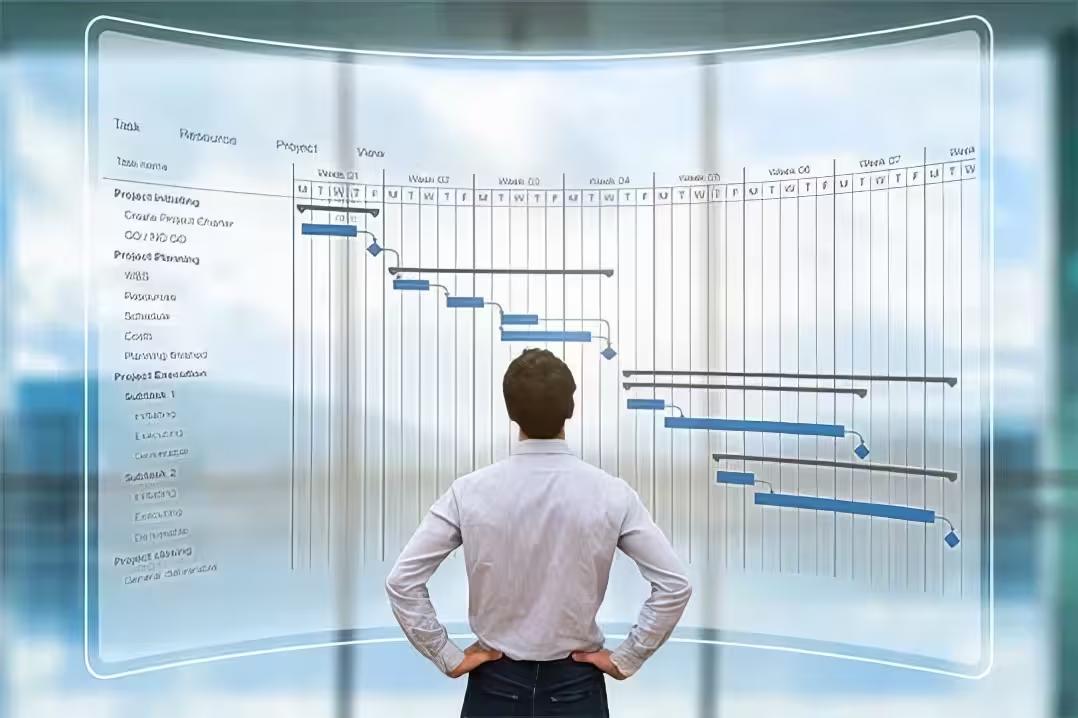
Delay Diagram
Where appropriate, I include diagrams to illustrate programme logic and delay impact.
These diagrams are not decorative. They are analytical tools. They distil complex sequencing and resourcing impacts into a format that senior decision-makers and legal teams can understand quickly.
They support the evidence. They do not replace it.
Valuation and Quantum
Quantum follows proven causation and proven time impacts.
The report:
Assesses each variation or adjustment individually
Determines whether it is contractually valid
Applies the correct valuation mechanism
Tests cost evidence against the records
This may include analysis of:
Prolongation
Disruption
Demobilisation and remobilisation
Acceleration
Additional supervision and overhead
I do not advocate outcomes.
If costs were not incurred, they are not supported. If risk was absorbed under the contract, it is identified. If a claim is overstated or not causally linked, it is reduced.
Restraint gives the report credibility.
Opinion
The final section integrates:
The factual history
The contractual framework
The causation findings
The delay analysis
The valuation and quantum assessment
The opinion states clearly what, if anything, either party is entitled to in respect of time and/or payment.
It is independent. It is reasoned. It is grounded in the evidence.
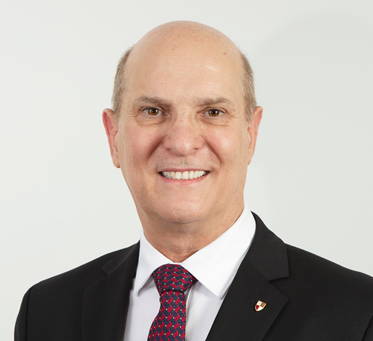
About Albert Merolla
I am regularly engaged across complex construction and infrastructure disputes, including:
Commercial and industrial buildings
Major infrastructure projects (roads, rail, ports, utilities)
Mining and resources works
Services-heavy mechanical and electrical projects
Specialised industrial installations
Many matters involve multiple contractors, specialist trades and non-standard delivery models. Interface risk, resequencing and shifting risk allocation are common features.
I have also acted on significant international matters, including High Commission projects and arbitration proceedings in Dubai, where programme logic and delay methodology are scrutinised closely.
My qualifications include:
Chartered Engineer
Chartered Quantity Surveyor
Graduate Diploma in Project Management
Juris Doctor
This combination allows me to integrate engineering logic, programme analysis, valuation methodology and contractual interpretation into one coherent report.
Enquiries
If you are a law firm, insurer or corporate client requiring an independent expert report addressing causation, delay and quantum, you may submit an enquiry using the form on this page.
For an initial suitability review, provide:
The contract and amendments
Key correspondence and notices
Available programmes and progress records
Relevant cost documentation
I will confirm whether the matter is suitable, the likely scope of work and the record set required to produce a disciplined, court-ready opinion.
When disputes reach this stage, clarity matters.
My role is to provide it.
Need an Expert?
Contact Us to Discuss
We respect your privacy
We reserve the right to determine whether, how, and when to respond to any calls, emails, or other enquiries. We will only respond to enquiries that are appropriate for the nature of our work. No initial discussion should be taken as an acceptance of instructions or the formation of a solicitor-client relationship.
Explore how we can deliver a solution tailored to your project.